In this article:
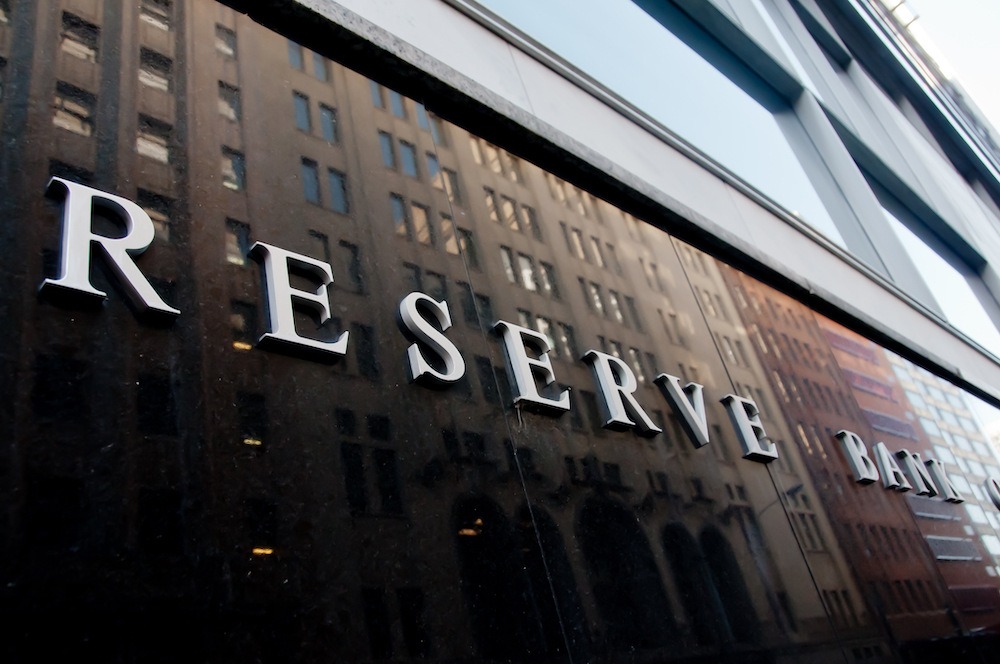
At its final meeting of the year, the Reserve Bank of Australia (RBA) has decided to leave the cash rate unchanged at 3.60%, marking the fourth consecutive month of rates remaining on hold.
The decision follows an unexpected lift in inflation through the September, October and November monthly CPI indicators, which pushed expectations of a Christmas rate cut off the table.
With headline inflation at 3.8% and the trimmed mean at 3.3%, the RBA has indicated that it is not prepared to move rates again until it sees steadier progress.
In its statment on Monetary Policy, the RBA said:
“While inflation has fallen substantially since its peak in 2022, it has picked up more recently.”
“The Board’s judgement is that some of the recent increase in underlying inflation was due to temporary factors and there is uncertainty about how much signal to take from the monthly CPI data given it is a new data series.”
“Nevertheless, the data do suggest some signs of a more broadly based pick-up in inflation, part of which may be persistent and will bear close monitoring.”
This outcome aligns with the consensus from all four major banks, who forecast a December hold.
Inflation Is Still the Key Barrier
Economist Stephen Koukoulas explained on Property insights that, on the surface, that lift in inflation would normally push the RBA toward raising rates:
“In three months, we have gone from erring on easing to tightening. If [inflation] was the only indicator they had, they would hike rates.”
The complication however, is that a large part of the recent rise is being driven by government related costs, not everyday demand.
Koukoulas pointed out that factors like the end of electricity rebates, higher public transport fares, council rates and various government charges are doing a lot of the heavy lifting in the inflation number. When those subsidies roll off, the statistics show a price jump, even though underlying demand has not surged.
He noted that when you exclude government influenced prices, “market driven inflation” is much closer to the RBA’s target band.
Mark Bouris, on Property Insights, summed up the tension this way: the inflation figure the RBA is mandated to respond to “is not really representative of the greater number of Australians,” but it still guides their decision on interest rates.
What This Means For Borrowers
Because the RBA kept the cash rate steady today, most borrowers on variable rates will not see an immediate change in their repayments from this decision alone.
However, that does not mean it’s time to sit back and wait for the next move.
Three important points raised by Bouris and Koukoulas are worth noting::
1. The cost of living squeeze is not over
Prices are still higher than they were a year ago and, in many areas, higher than they have ever been. Even if inflation slows from here, that does not mean prices fall, it just means they rise at a slower pace.
2. Real wages are under pressure again
Wage growth has softened while inflation has picked back up. That gap is what households feel when they say they cannot seem to get ahead, even if rates are not rising.
3. Credit conditions are still tight
The earlier rate cuts helped, but borrowing capacity remains a hurdle for many buyers. Lenders may be closely scrutinising spending, existing debts and transaction history. For first home buyers, Government schemes have expanded to help ease the deposit burden.
Property Market Momentum Remains Strong
Despite the rate pause, housing values have continued to rise throughout 2025.
Cotality’s latest Home Value Index shows that Australian home values increased by 1.0% in November, a third consecutive month where home values nationally have increased by 1% or more.
Cotality’s HVI stated the, “headline growth figure was weighed down by Australia’s two largest cities, with Sydney values rising 0.5% in November and Melbourne values up 0.3%. Every other capital city recorded a rise of at least 1.0% through the month, led by Perth with a solid 2.4% surge in values.”
Cotality’s research director, Tim Lawless, said:
“With inflation once again above the RBA’s target range and rates potentially on hold for the foreseeable future, it’s likely housing sentiment will suffer.”
“With housing affordability already stretched and worsening, it stands to reason that fewer borrowers will be able to access credit as serviceability barriers become more prominent.”
“We can already see the flow-through effect from such stretched affordability and serviceability measures, with growth in housing values skewed towards lower price points of the market.”
Will There Be a Rate Rise in February
After three rate cuts earlier this year, the RBA has now kept the cash rate on hold over the past four consecutive meetings. The question borrowers want answered is simple: what happens next?
Today’s statement makes one thing clear.
The Board remains cautious. Inflation is still outside the range the RBA is targeting for late 2025. The labour market remains tight enough to worry policymakers about potential wage pressures.
Koukoulas believes that the February meeting will hinge almost entirely on the next inflation print. If monthly inflation continues to show upward momentum or remains stuck above the RBA’s expectations, the February meeting becomes significantly more concerning for borrowers with variable rates.
What Next?
Although rates have been on hold since August, lenders have not moved in unison on pricing. Some have reduced fixed rates, others have begun to lift their fixed rates, and some have adjusted new lending rates without passing benefits to existing customers. In today’s climate, assumptions can be costly.
Here is what borrowers should be considering now:
- Review your rate: Do not assume your lender has passed on previous cuts in full.
- Check your spending behaviour: If talks of rate hikes in early 2026 prove true, serviceability would become more difficult, especially for borrowers seeking pre-approval in early 2026.
- Understand your borrowing capacity before the February meeting: If a rate rise becomes more likely, borrowing limits will fall again.
- Talk to your broker: A broker can compare options, negotiate with your existing lender, and help you navigate lender policies that continue to shift.
As we head into 2026, staying informed and proactive will be essential. If you would like to review your home loan or understand how today’s decision affects you, reach out to your local YBR Home Loans broker.